
Mastering Fluid Painting Methods: A Guide to Creative Expression
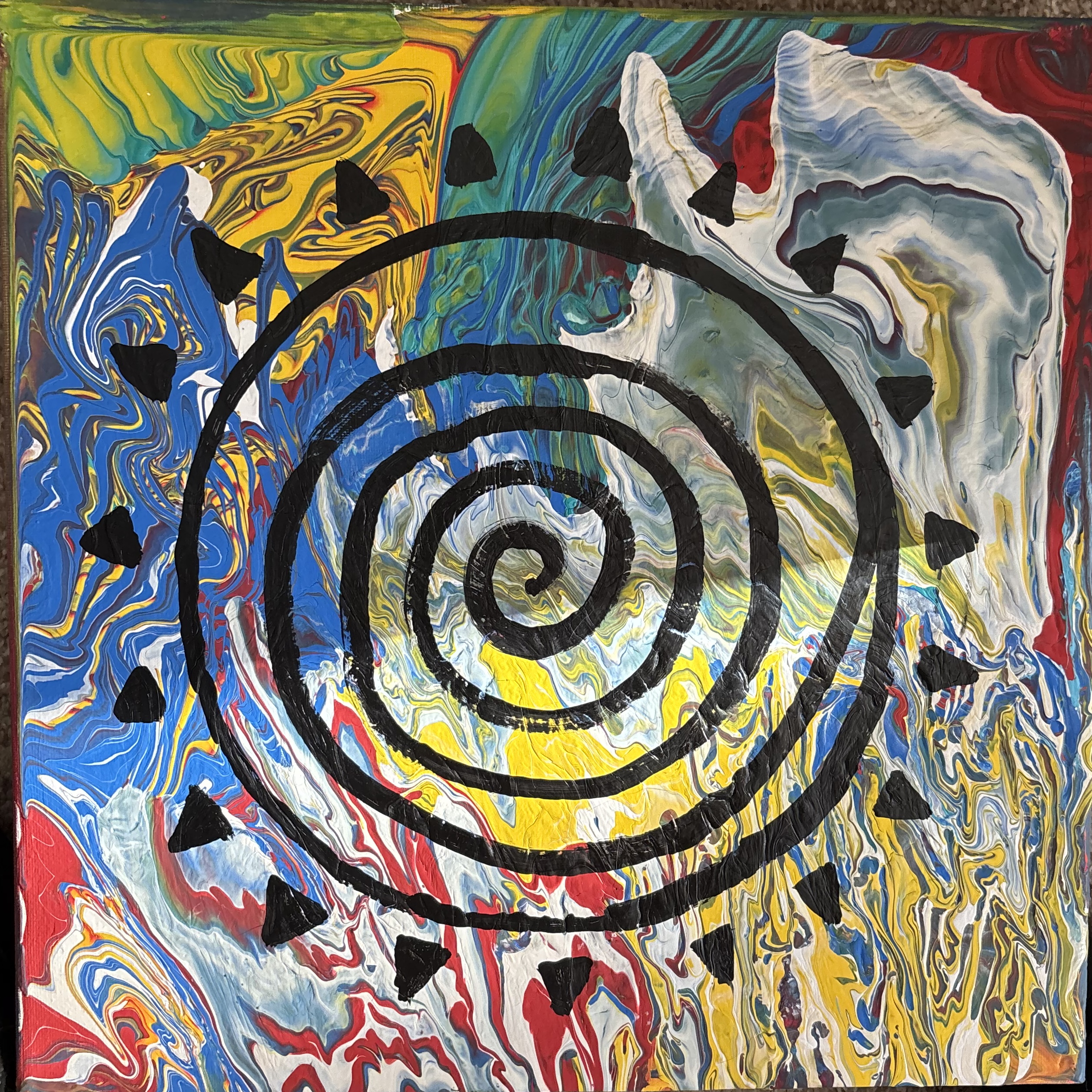
Fluid painting methods offer a dynamic way to create abstract art with vibrant colors and organic patterns. These techniques allow paint to flow freely, producing unique effects that are difficult to achieve with traditional brushwork. I explore these methods to create original pieces that resonate with collectors and interior designers seeking distinctive art.
Exploring Fluid Painting Methods
Fluid painting methods involve manipulating liquid paint on a surface to create spontaneous and visually striking compositions. The process emphasizes movement, color blending, and texture. Common materials include acrylic paints, pouring mediums, silicone oil, and various tools to guide the flow.
Some popular fluid painting methods include:
Dirty Pour: Mixing multiple paint colors in one cup before pouring onto the canvas.
Flip Cup: Placing a cup filled with paint upside down on the canvas and lifting it to release the paint.
Swipe Technique: Pouring paint and then dragging a tool across the surface to create cells and patterns.
Puddle Pour: Pouring individual paint colors in puddles that merge and interact.
String Pull: Using a string dipped in paint and pulled across the canvas to form lines and shapes.
Each method offers different visual effects and requires experimentation to master. I recommend starting with small canvases to understand how the paint behaves and how colors interact.

Close-up view of a canvas with vibrant fluid paint patterns
Essential Tools and Materials for Fluid Painting
To master fluid painting methods, having the right tools and materials is crucial. Here is a list of essentials:
Acrylic Paints: Choose high-quality, fluid acrylics for better flow and color vibrancy.
Pouring Medium: This additive thins the paint without compromising color intensity and helps with flow.
Silicone Oil: Used to create cells and interesting textures in the paint.
Canvas or Wood Panels: Sturdy surfaces that can hold the weight of the poured paint.
Mixing Cups and Stir Sticks: For blending paint and mediums.
Palette Knives and Spatulas: To manipulate paint on the surface.
Protective Gear: Gloves and aprons to keep clean, and a drop cloth to protect your workspace.
Proper preparation of the workspace is also important. I cover the area with plastic or paper to catch drips and ensure good ventilation. Experimenting with different brands and ratios of paint to medium helps find the best consistency for your style.
What are the 7 art techniques?
Understanding foundational art techniques enhances fluid painting skills. Here are seven essential techniques that complement fluid methods:
Blending: Smoothly transitioning between colors to create gradients.
Layering: Applying paint in layers to build depth and complexity.
Dry Brushing: Using a dry brush to add texture and highlights.
Glazing: Applying thin, transparent layers of paint to modify color and tone.
Scumbling: Lightly brushing opaque paint over a dry layer to create texture.
Impasto: Applying thick paint to create raised surfaces.
Sgraffito: Scratching through a layer of paint to reveal the layer beneath.
These techniques can be integrated with fluid painting methods to add detail and enhance the overall composition. For example, after pouring and drying, I often use glazing or dry brushing to refine areas and add contrast.
Tips for Creating Unique Fluid Art Pieces
Creating unique fluid art requires both technical skill and creative intuition. Here are practical tips I follow:
Plan Your Color Palette: Choose colors that complement each other and suit the intended space or theme.
Control the Flow: Adjust paint consistency and pouring speed to influence how colors mix.
Use Additives Wisely: Silicone oil creates cells, but too much can cause unwanted separation.
Experiment with Tools: Try different swiping tools, strings, or even air blowers to manipulate paint.
Work Quickly: Fluid paint dries fast; plan your moves to avoid unwanted blending.
Embrace Imperfection: Fluid art thrives on unpredictability; accept surprises as part of the process.
Seal Your Work: Use varnish or resin to protect the finished piece and enhance color depth.
By applying these tips, I create custom abstract art that stands out in any collection or interior setting.

High angle view of a workspace with fluid painting tools and materials
Sharing the Art and Its Story
Each fluid painting carries a story of its creation - the colors chosen, the techniques applied, and the emotions conveyed. Sharing these stories adds value and connection for art lovers and buyers. I document my process through photos and notes, explaining the inspiration and methods behind each piece.
This transparency helps collectors and interior designers appreciate the uniqueness of the artwork. It also fosters a deeper relationship between the artist and the audience, encouraging custom commissions and repeat engagement.
Expanding Your Fluid Painting Skills
Mastering fluid painting methods is an ongoing journey. I continuously explore new techniques, materials, and tools to expand my creative range. Attending workshops, watching tutorials, and networking with other artists provide fresh ideas and inspiration.
For those interested in learning, I recommend starting with basic pours and gradually incorporating more complex techniques. Practice and patience are key to developing confidence and a personal style.
By mastering these methods, I create original pieces that resonate globally, fulfilling the goal of connecting with art lovers and offering unique, custom abstract art.
Mastering fluid painting methods opens a world of creative possibilities. With the right tools, techniques, and mindset, you can produce captivating art that enriches any space. I invite you to explore these methods and discover your own artistic voice through fluid expression.


Comments