
Creative Ways to Turn Recycled Materials into Stunning Art Pieces
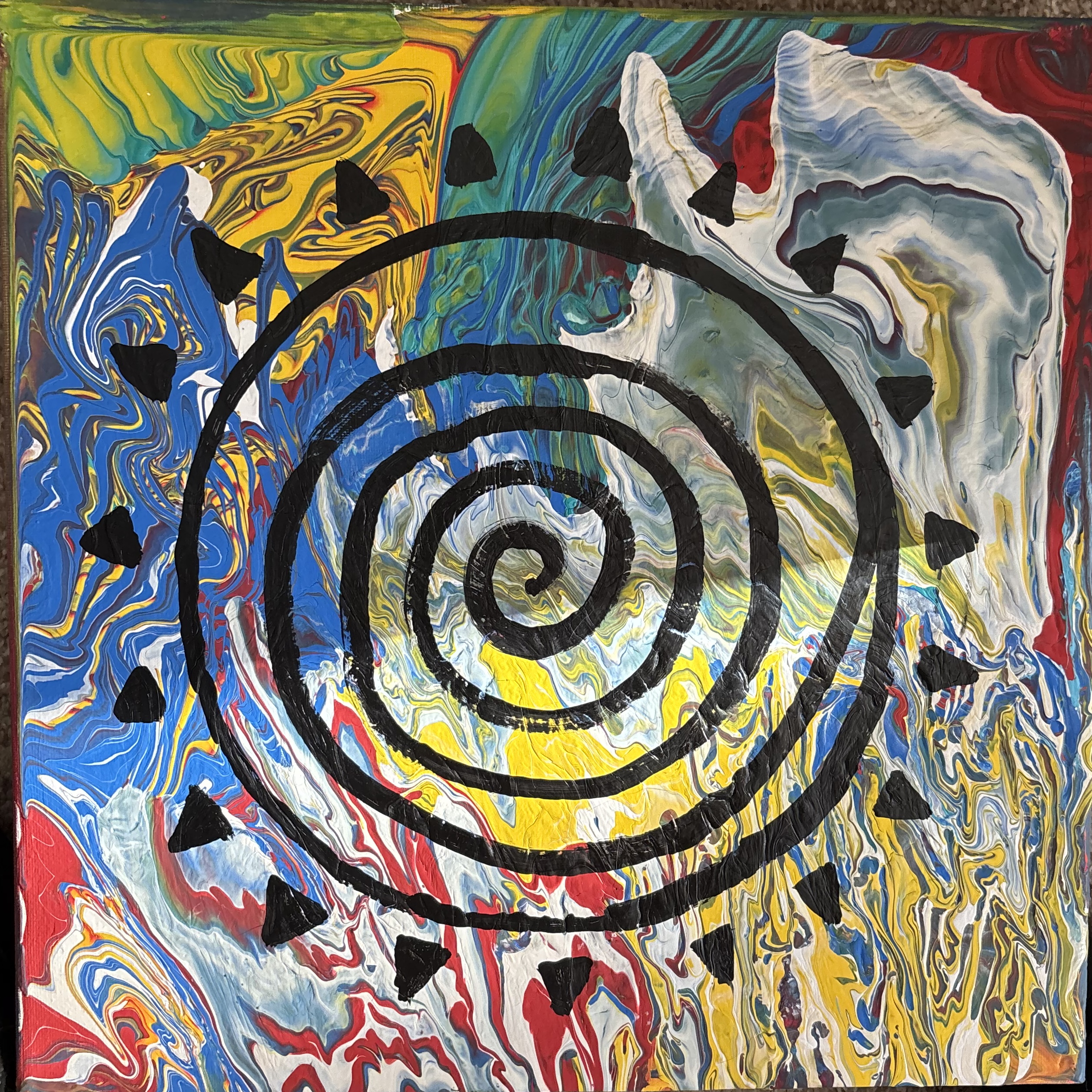
Recycling is often seen as a practical way to reduce waste, but it can also be a powerful source of creativity. Transforming discarded materials into art not only gives new life to what would otherwise be trash but also challenges artists and hobbyists to think differently about everyday objects. This post explores practical and inspiring ways to use recycled materials to create beautiful, meaningful art pieces that stand out.
Why Use Recycled Materials in Art?
Using recycled materials in art has several benefits beyond environmental impact. It encourages innovation by pushing artists to experiment with textures, shapes, and colors that traditional materials don’t offer. It also makes art more accessible since many recycled items are free or low-cost. Plus, art made from recycled materials often carries a story, adding depth and meaning to the finished piece.
Common Recycled Materials for Art Projects
Before diving into creative ideas, it helps to know which materials work well for art:
Paper and Cardboard: Old books, magazines, packaging boxes, and newspapers can be cut, folded, or layered.
Plastic: Bottles, caps, containers, and bags can be reshaped, melted, or woven.
Metal: Tin cans, bottle caps, wires, and scrap metal pieces can be assembled or sculpted.
Glass: Broken bottles and jars can be used in mosaics or fused glass art.
Fabric: Old clothes, curtains, and textiles can be sewn, braided, or glued.
Wood: Pallets, crates, and scrap wood can be carved, painted, or assembled.
Creative Ideas to Turn Recycled Materials into Art
1. Paper Collage and Mixed Media Art
Paper is one of the easiest recycled materials to work with. You can create collages by cutting images and text from magazines or newspapers and arranging them on a canvas or board. Adding paint, fabric scraps, or found objects can enhance texture and depth.
Example: An artist might create a cityscape by layering torn pieces of newspaper and magazine pages, then adding hand-painted details to bring the scene to life.
2. Plastic Bottle Sculptures
Plastic bottles can be cut, shaped, and glued to form sculptures or decorative objects. Their transparency and flexibility allow for interesting light effects and forms.
Example: A garden sculpture made from painted plastic bottles shaped like flowers or animals can brighten outdoor spaces while recycling waste.
3. Metal Assemblage Art
Collecting small metal objects like bottle caps, screws, and wires can lead to unique assemblage art. These pieces can be glued or welded together to form abstract or representational sculptures.
Example: An artist might create a portrait using bottle caps arranged by color and size, giving the piece a textured, mosaic-like appearance.
4. Mosaic Art with Glass and Ceramics
Broken glass or ceramic pieces can be arranged into mosaics on surfaces like tabletops, frames, or stepping stones. This technique adds color and shine to recycled materials.
Example: A mosaic mirror frame made from colorful broken glass pieces can become a striking focal point in any room.
5. Textile Art from Old Clothes
Old fabric can be cut into strips and woven, braided, or sewn into new items like rugs, wall hangings, or bags. This method preserves the texture and patterns of the original textiles.
Example: A patchwork quilt made from old t-shirts or dresses can tell a story through the different fabrics while serving a practical purpose.
6. Wood Pallet Furniture and Wall Art
Scrap wood from pallets or crates can be sanded and painted to create rustic furniture or wall art. The natural grain and imperfections add character to the pieces.
Example: A wooden pallet transformed into a colorful wall-mounted shelf or a decorative sign with hand-painted quotes.
Tips for Working with Recycled Materials
Clean and Prepare Materials: Always wash and dry materials like plastic, glass, and metal before use to ensure safety and better adhesion.
Use the Right Tools: Sharp scissors, strong glue, wire cutters, and paintbrushes make working with recycled materials easier.
Combine Materials: Mixing different recycled materials can create interesting contrasts and textures.
Plan Your Design: Sketch your idea before starting to help visualize the final piece and organize materials.
Experiment Freely: Don’t be afraid to try new techniques or combine unexpected materials.

Inspiring Artists Who Use Recycled Materials
Many artists have built their careers around recycled art, showing how waste can become treasure.
El Anatsui creates large-scale tapestries from bottle caps and metal scraps, transforming discarded materials into shimmering wall hangings.
Vik Muniz uses trash and recycled objects to create detailed portraits and landscapes, photographed to highlight their beauty.
Aurora Robson sculpts intricate installations from plastic debris, raising awareness about pollution through art.
Their work proves that recycled materials can produce art that is both visually stunning and socially meaningful.
How to Start Your Own Recycled Art Project
Collect Materials: Gather items from home, recycling bins, or local clean-up events.
Choose a Theme or Purpose: Decide if your art will be decorative, functional, or message-driven.
Select a Technique: Pick a method like collage, sculpture, mosaic, or textile work.
Create a Workspace: Set up a clean, well-lit area with all your tools and materials.
Begin Experimenting: Start small and build your skills and confidence.
Share Your Work: Display your art at home, local galleries, or community events to inspire others.
Benefits Beyond Art
Creating art from recycled materials also promotes environmental awareness and community engagement. It encourages people to rethink waste and consider sustainability in everyday life. Schools and community centers often use recycled art projects to teach children about recycling and creativity.
By turning trash into treasure, artists contribute to a culture of reuse and respect for the planet.


Comments